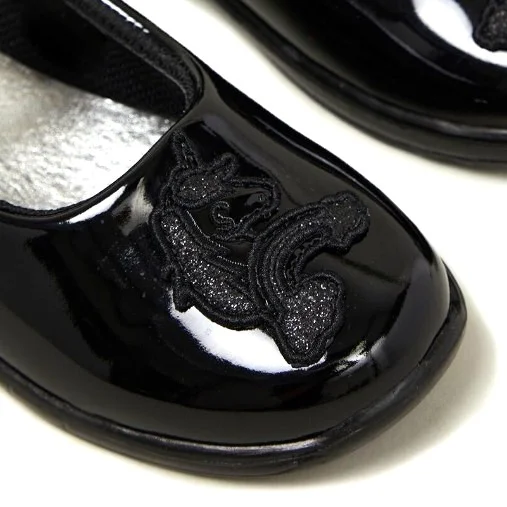
The Best School Shoes
School is in session! Whether you're buying new shoes for their last year or sending them off for the very first time, our school shoe guide is here to help you find the perfect pair for the term ahead (and the next one, and the next!).

How To Choose The Right School Shoes?

School Shoe Styles
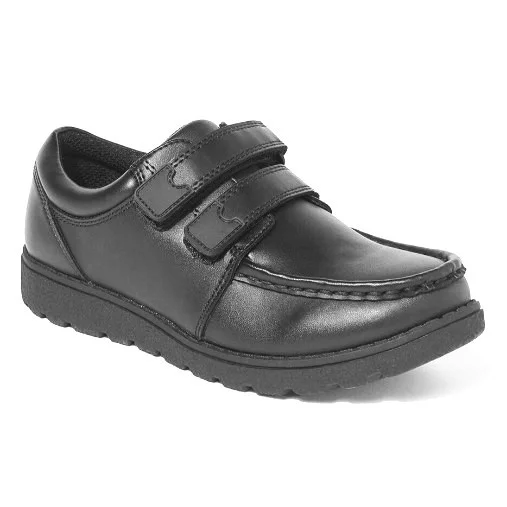
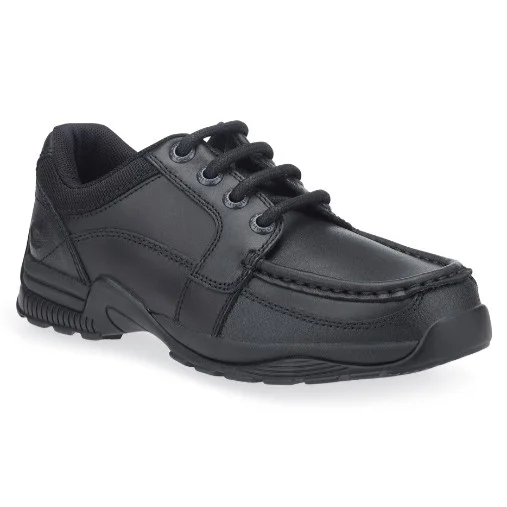
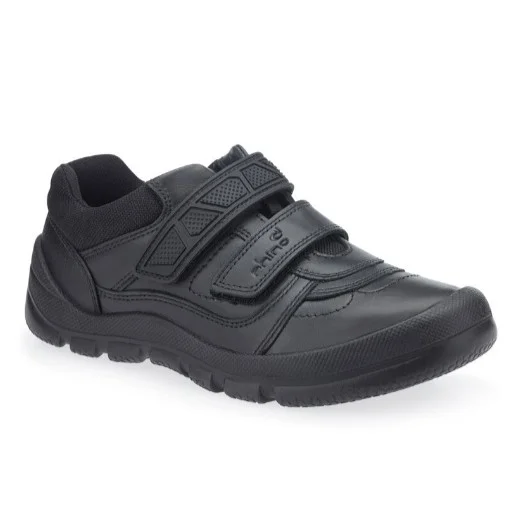
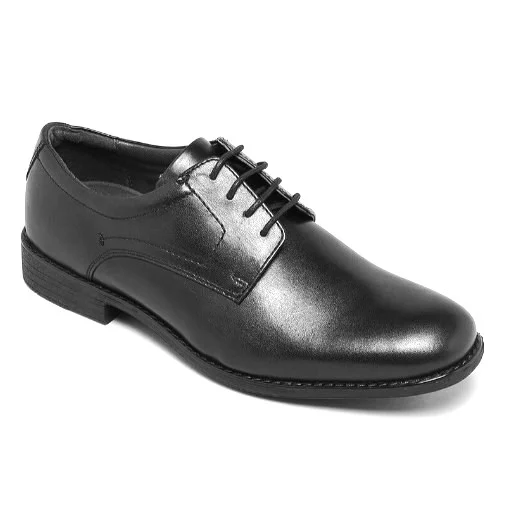
School Shoes For Boys

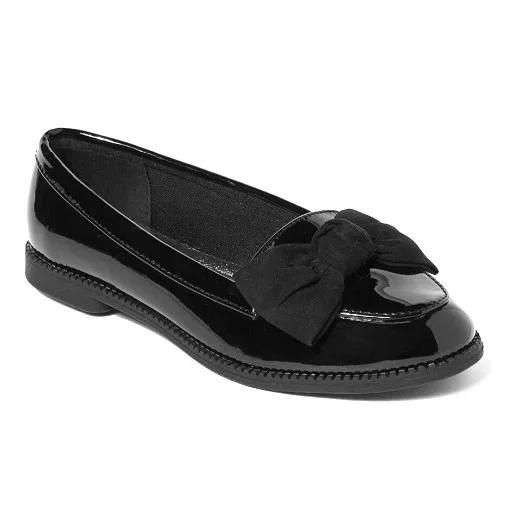
School Shoes For Girls

PE Shoes
Why Choose Toezone?
A great place to start your search for school shoes: ToeZone combines smart everyday styles with practical features designs to keep up with busy school days. From easy riptape fastenings to classic lace-up and scuff-resistant finishes, there's a pair to suit every little one. Explore all the go-to school shoe styles with a range of sizes available and find the pair that will carry them from term to term.
How To Measure Children's Feet At Home
Finding the right fit starts with measuring your child's feet. Follow these simple steps at home so you know the correct school shoe size before you shop.

Step 1: Place a sheet of A4 paper on hard floor and ask your child to stand in the centre with their feet slightly apart. Make sure they're standing up straight with their weight evenly distributed.
Step 2: Using a pen or pencil, mark the position of their longest toe (remember, this isn't always the big toe).
Step 3: Next, mark the back of their heel at its longest point.
Step 4: Once your child has stepped off the paper, measure the distance between the two marks. This measurement gives you the length of their foot.
Top tip: measure both feet, as one foot is often slightly larger than the other. Use the larger measurement when checking against a size chart and always try school shoes on with the socks they'll wear to school.
School Shoe FAQ's
School shoes should feel comfortable from the start without rubbing, pinching or slipping at the heel. There should be enough room for toes to move freely, while still feeling secure enough for everything from walking to playground races.
Kids can spend up to seven hours a day in their shoes, so though it's important to leave a little room for growth and comfort, too much room can cause your child to trip, grip with their toes, or even develop blisters. As a general rule, aim for around a thumb's width of space between the longest toe and the end of the shoe.
It's always a good idea to shop a few weeks before term starts. It gives you time to find the right fit without the last minute rush, and gives them chance to wear the shoes around the house first to break them in properly before the first day back.
Even if your child isn't complaining of sore feet, it's always wise to check the fit every 2-3 months. Little feet can size up quickly and a shoe that fit perfectly in September may be feeling tight by Christmas.
For most kids, yes. Scuff-resistant school shoes are a practical investment that goes beyond looks. They tend to be more hardwearing overall, which means they're more likely to last the full school year rather than needing replacing mid-term.
It's safest to check the care label first, as materials vary. Leather and patent styles are best wiped down by hand, while canvas pumps can usually go in the machine on a gentle cycle. Storing shoes properly between wears, somewhere dry and aired out, helps prevent odours and keeps them in better shape for longer.
Policies vary from school to school. Some are happy with any supportive running trainer, while others ask for plain black or white styles to keep things uniform.
Coloured logos, chunky soles, boots and certain materials like suede are commonly flagged in schools with stricter policies. When in doubt, plain black styles with minimal details are usually the safest bet (but always check the school policy before you buy!)
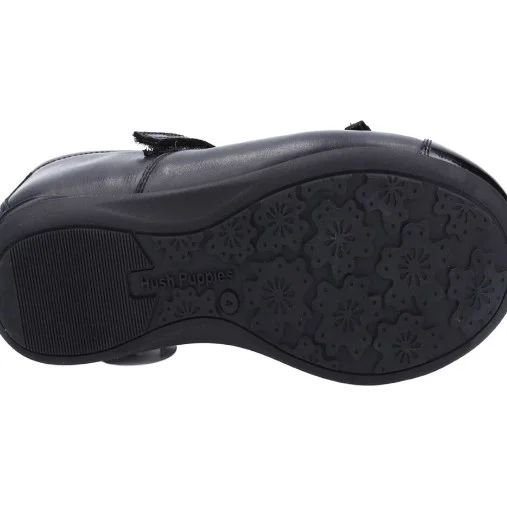
Look for flexible soles that move with little feet rather than restricting them, and secure fastenings that your child can manage independently. A shoe that's easy to get on and off makes a real difference to their confidence and to your mornings.